
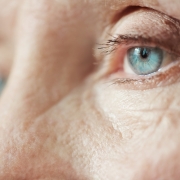
What Happens When You Get Cataract Treatment?

Are you experiencing vision issues due to cataracts? These clouded areas of your eye lenses can slowly but surely impact your vision as they grow bigger. But our eye doctors in Wilmington, NC, at [practice_name] offer treatment to replace the affected lens and improve your vision. Here’s what to expect if you’re undergoing this procedure.

Preparing for Surgery

Our optometry team will let you know what you need to do to get ready for this procedure. It’s an outpatient process that usually doesn’t take long to do, so no hospital stay is required.

Removing the Affected Lens

Treating cataracts involves undergoing surgery to take out the clouded lens and replace it with an artificial one called an intraocular lens (IOL). In fact, that’s the only way to address this eye problem. We carefully remove the affected lens during this step.

Replacing the Lens with an Artificial One

Before you undergo cataract treatment in Wilmington, NC, we’ll help you determine the right type of IOL to replace your natural lens. After removing the lens, we’ll place your new IOL in your eye, giving you improved vision.

Recovering from Surgery

This kind of procedure is common and safe for most people. We’ll discuss possible risks with you before surgery, like infections, but you should have a low chance of experiencing complications. You may feel some discomfort for a couple of days after your procedure. Overall, it can take a few or more weeks to fully recover.

Schedule Your Cataract Surgery Today!

Do you have cataracts that need to be removed for better vision? At [practice_name], we offer cataract treatment in Wilmington, NC, so you can see clearly again with a brand new, unclouded lens.

Why Are Cataracts So Common as We Age?

Cataracts in Wilmington NC is a common, yet serious, eye condition that causes the lenses of the eyes to become cloudy. The cloudiness makes it difficult to see people and objects clearly, whether up close or at a distance.

Anyone can develop this condition, but it is much more common as people age. Over 24 million Americans aged 40 and over currently have cataracts, and the risk increases significantly by age 55. By the time you reach age 80, you have a 50 percent chance of developing cloudy vision.

Non Age-Related Causes of Cataracts

Please schedule an appointment with Paul Vision Institute as soon as possible if you have any of the conditions or engage in any of the lifestyle habits listed below.

  • Diabetes
  • Family history of cataracts
  • High blood pressure
  • Long-term use of eye drops and other steroidal medications
  • Past eye injuries
  • Obesity
  • Smoking

Left untreated, cataracts can cause glaucoma, partial to complete vision loss, or severe eye inflammation.

The Role of Aging and Cataracts

According to the National Library of Medicine, all people experience oxidative damage in their eyes as they age. Because of this, some optometrists and ophthalmologists consider age-related cataracts to be unavoidable. Changes occur in either the cortex, nucleus, or posterior pole in people who develop the condition.

You may not be able to prevent cataracts entirely, but your lifestyle choices can decrease its severity and increase the age of diagnosis. For example, stop smoking if you smoke, lose weight if needed, and manage your diabetes or high blood pressure if you have those conditions. Coming in for regular eye exams is also critical.

Surgery is currently the only treatment available for cataracts. Please reach out to Paul Vision Institute to reserve a time to come in and learn more aboutcataracts in Wilmington NC.
What Happens After Your Cataract Diagnosis?

It can be shocking to learn you have cataracts. But the first thing to keep in mind is that they’re pretty easy to treat. Your eye doctor in Wilmington, NC, has different options for treating cataracts that will help improve or restore your vision. But it’s interesting to know exactly what cataracts are, what causes them, and how they’re diagnosed.

Cataracts Are Cloud-Like Films

Cataracts are cloudy films that form over the lenses of your eyes. Each eye has a lens that’s positioned behind the iris, and its purpose is to focus light on the retina so you can see images clearly. When something happens to inhibit the way your lens focuses this light, it becomes difficult to see. In the event of cataracts, a milky-white film forms over the surface, which can worsen over time if left untreated.

Cataracts Are Usually Caused by Injury or Normal Aging

If you’ve suffered an eye injury at some point in your life, or if you’ve had eye surgery, you may be more prone to developing cataracts. Or, sometimes, people simply develop cataracts as they age. Some diseases, such as diabetes, may also put you more at risk. You may first notice the signs of cataracts if you need more and more light to see clearly at night. Cataracts may also cause you to see ‘halos’ or ‘auras’ around bright lights. Also, if things appear smoky or hazy throughout the day, it could be a cataract that’s to blame.

Treatment for Cataracts Involves Simple Surgery

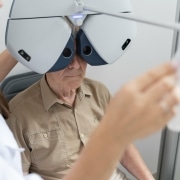
In most instances, your eye doctor can resolve cataracts through simple eye surgery that removes the cloudy lens and replaces it with a clear, artificial one. Cataract surgery is extremely common, and recovery times are short. Generally, it’s considered a very safe treatment. Usually, the procedure can be done in-office on an outpatient basis, and you can return home the same day. You will need someone to drive you to and from your appointment, however.

If you’ve recently been informed that you have cataracts in Wilmington, NC, schedule an appointment with Paul Vision Institute today. We’re happy to sit down with you to discuss your options for treatment.